
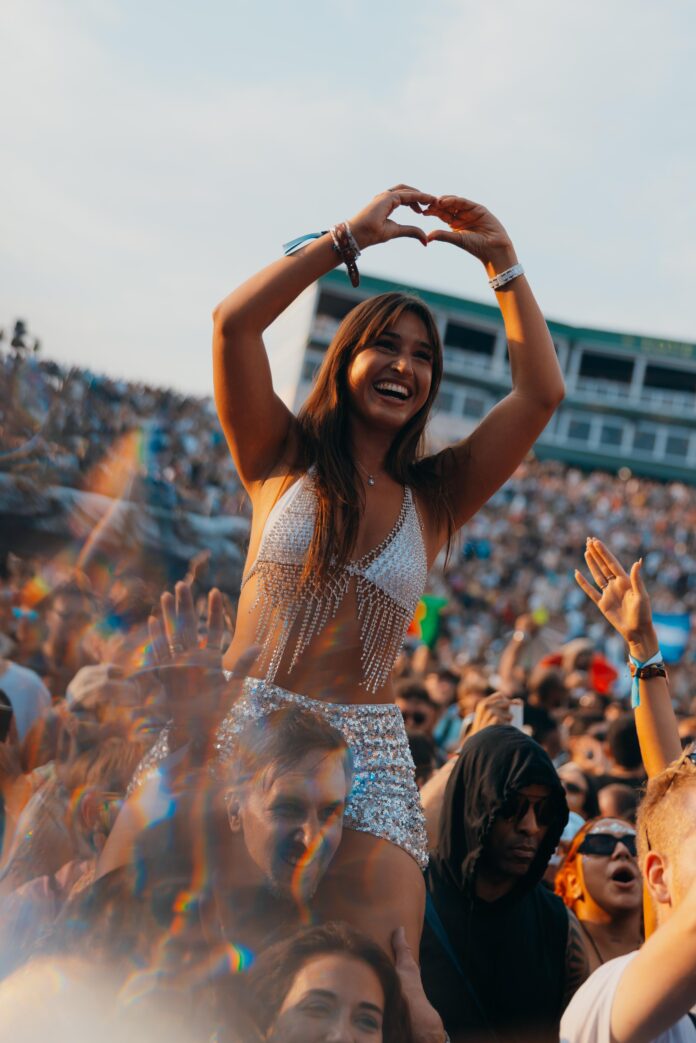

In recent years, a growing number of music fans—particularly from the United States—have started looking beyond their home market when planning festival trips. What was once an occasional travel splurge has become a deliberate choice: Europe is increasingly seen as a compelling alternative to the modern American festival circuit. Discussions across festival communities reveal that this shift is driven less by hype and more by structural differences in cost, atmosphere, and overall experience.
One of the most frequently cited reasons is pricing. Major US festivals have seen steady increases in ticket costs, often paired with additional expenses for parking, camping upgrades, and on-site essentials. When accommodation, food, and transportation are factored in, a domestic festival weekend can rival or even exceed the cost of traveling to Europe. European festivals, while not cheap, often offer better value relative to their scale, with multi-day passes that include camping or access to nearby public transport. For international travelers, the surprising reality is that a European festival trip can feel more financially predictable.
Beyond cost, there is a noticeable difference in how festivals are structured. Many European events place a stronger emphasis on walkability, public transit access, and integrated camping experiences. Trains, trams, and shuttle systems are often part of the planning rather than an afterthought, reducing the logistical stress that US attendees frequently report. The result is a smoother flow between stages, campsites, and nearby cities, which directly affects how long people stay engaged and how rested they feel.
Cultural expectations also play a major role. European festival audiences tend to be more genre-diverse and age-diverse, creating a less homogeneous crowd. This often translates into a calmer, more music-focused atmosphere, even at large-scale events. While American festivals frequently emphasize spectacle, influencer culture, and social media visibility, many European festivals are perceived as prioritizing the artist experience and long-form listening. Longer sets, fewer abrupt schedule overlaps, and less aggressive crowd movement are commonly mentioned advantages.
Another factor is the balance between commercial branding and identity. US festivals often rely heavily on sponsorship visibility, VIP segmentation, and premium-tier upsells. In contrast, many European festivals maintain a stronger sense of place and identity tied to their location, history, or cultural context. This does not mean they are free of corporate involvement, but it is often less central to the attendee’s experience. For fans seeking immersion rather than consumption, this distinction matters.
There is also a growing sense of fatigue with the predictability of US festival lineups. While Europe shares many of the same global headliners, its festivals are more likely to blend mainstream acts with regional artists, legacy bands, and niche electronic or alternative bookings. This curatorial approach appeals to fans who feel they have already “seen the US circuit” and want discovery rather than repetition.
Importantly, the move toward European festivals does not signal a rejection of the American scene, but rather a search for contrast. Fans who travel overseas often describe the experience as a reset—less rushed, less crowded, and less pressured. The slower pacing of European festival days, combined with cultural norms around food, rest, and socializing, creates a different emotional rhythm that many find refreshing.
As global travel becomes more normalized and festivalgoers grow more intentional about where they invest their time and money, Europe’s appeal is likely to continue rising. The comparison between US and European festivals ultimately reflects a broader shift in audience priorities: from maximum stimulation to meaningful experience. For a growing segment of fans, looking overseas is no longer about novelty—it’s about finding a festival culture that better aligns with how they want to listen, move, and belong.