
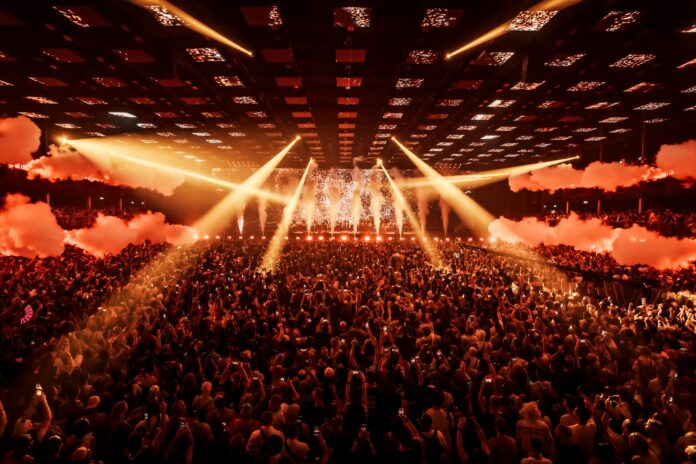

For most of modern festival history, the lineup was everything. Headliners sold tickets, undercard names defined credibility, and poster reveals dictated hype cycles. In 2026, that logic is starting to crack. While lineups still matter, they are no longer the primary factor driving festival decisions for a growing number of attendees. Conversations across festival communities suggest that experience, logistics, and trust now carry equal—if not greater—weight.
One reason for this shift is saturation. The global festival circuit has become increasingly homogenized, with the same headliners rotating across continents year after year. For seasoned festivalgoers, seeing familiar names no longer guarantees excitement. Many fans feel they have already experienced these artists in multiple settings, reducing the lineup’s ability to create urgency. As a result, the question is no longer “who is playing?” but “what will it feel like to be there?”
Rising costs have also changed how people evaluate value. With ticket prices, accommodation, and travel expenses climbing, festival attendance has become a calculated investment rather than an impulse buy. Fans now assess whether a festival offers smooth logistics, reliable infrastructure, and a comfortable environment before committing. A strong lineup cannot compensate for overcrowding, poor sound, long bathroom lines, or chaotic transport. Bad experiences spread quickly, and reputation now matters as much as booking power.
Trust in festival brands has become a decisive factor. After years of postponed events, last-minute cancellations, and organizational failures, attendees are more cautious. Festivals with consistent delivery, transparent communication, and solid contingency planning earn loyalty even when their lineups are less explosive. Conversely, events known for logistical problems face skepticism regardless of how impressive their posters look. The lineup may draw attention, but trust secures the purchase.
The rise of experience-driven festival culture also plays a role. Many attendees are drawn to festivals for their atmosphere rather than their schedules. Scenic locations, well-designed stages, thoughtful crowd flow, and curated side programming increasingly define success. For these audiences, discovery is part of the appeal. They are willing to attend festivals with unfamiliar artists if the environment supports exploration without pressure.
Another contributing factor is the growing diversity of attendee needs. Solo festivalgoers, sober attendees, older audiences, and those prioritizing mental or physical health evaluate events differently than younger, party-focused crowds. For these groups, accessibility, safety, and pacing outweigh lineup density. A festival that accommodates different participation styles will often be chosen over one with bigger names but fewer considerations for comfort and inclusion.
Social media has also altered how lineups function. While poster reveals still generate short-term engagement, they no longer guarantee long-term excitement. Attendees are increasingly influenced by peer experiences shared after events rather than promotional graphics before them. Videos of overcrowded stages, negative reviews, or logistical failures can quickly undermine even the strongest lineup announcements.
None of this means that lineups are irrelevant. Artists remain the core attraction, and bookings still shape a festival’s identity. What has changed is their relative importance. In 2026, the lineup is one piece of a larger equation that includes experience design, reliability, and community trust.
Festivals that recognize this shift are adapting by investing in infrastructure, communication, and attendee well-being rather than relying solely on big names to carry the brand. Those that do not risk discovering that a great lineup alone is no longer enough.